Learn


From 3 Genes to 780: The Evolution of Reproductive Carrier Testing
Reproductive carrier screening is a crucial aspect of family planning, allowing couples to assess their risk of passing on genetic conditions to their children. While traditional carrier screenings for a limited number of conditions have been available at your doctor’s office, such as the three gene test - there is a growing consensus among rare disease advocacy groups and medical organisations, including the Royal Australian and New Zealand College of Obstetricians and Gynaecologists (RANZCOG), that larger panels of genetic tests offer numerous advantages. Let’s delve into the significance of expanded and comprehensive carrier screenings and why they are increasingly recommended for all couples, no matter where you are from. Understanding Expanded and Comprehensive Carrier Screenings Traditional carrier screenings typically involve testing for a small number of genetic conditions that are common in certain ethnic backgrounds. For instance, a 3-gene test may be more suitable for White Northern European individuals with a higher risk of carrying specific genetic mutations like cystic fibrosis, spinal muscular atrophy, and fragile X syndrome. On the other hand, expanded and comprehensive carrier screenings offer a more inclusive approach, analysing a broader range of genetic conditions. These screenings may encompass hundreds to over a thousand conditions, providing individuals and couples with a more comprehensive understanding of their genetic risk factors. Comprehensive panels, which can include to over 780 conditions, are particularly advantageous because they consider genetic variations that are relevant across diverse ethnic backgrounds. Importance of Comprehensive Panels Inclusivity Across All Backgrounds Genetic diversity is prevalent in human populations, and different ethnic groups may carry distinct genetic mutations that can lead to various inherited conditions. Comprehensive panels ensure that individuals of all backgrounds receive appropriate and accurate screening, eliminating potential bias towards specific ethnicities. Early Detection and Informed Decision-Making Comprehensive carrier screenings not only detect more genetic conditions but also allow for earlier identification of potential risks. Armed with this knowledge, individuals can make more informed decisions about their family planning options, including assisted reproductive technologies or prenatal testing, leading to better health outcomes for future generations. Identifying Rare and Uncommon Variants While traditional screenings focus on prevalent genetic mutations, comprehensive panels also identify rare or less common variants that might not be covered by narrower tests. Uncovering these lesser-known mutations can prevent passing on the lesser-known genetic conditions within families, they may be lesser known but still serious or life-threatening. Potential Cost Savings Despite their initial higher cost, comprehensive panels can be more cost-effective in the long run. Instead of repeating multiple tests for different genetic conditions, a single comprehensive screening can cover a wide range of potential risks, ultimately reducing overall healthcare expenses. Advancements in Genetic Technology Recognising the advantages of comprehensive carrier screenings, RANZCOG and other medical organisations have recommended a broader approach to genetic testing. This progressive stance aligns with the global movement towards more inclusive and personalised healthcare, considering the diverse genetic makeup of our populations. Furthermore, advancements in genetic technology have made it possible to analyse a large number of genes simultaneously, making comprehensive panels more accessible and affordable. The reduction in costs and increased availability of these tests ensure that all individuals, regardless of their ethnic background, can benefit from the knowledge they provide. In conclusion, reproductive carrier screening plays a vital role in family planning and ensuring the health of future generations. As medical knowledge and technology continue to advance, the shift towards expanded and comprehensive carrier screenings has become increasingly important. RANZCOG's recommendation for larger panels reflects the commitment to inclusivity and personalised healthcare for all individuals, regardless of their ethnic background. By opting for comprehensive screenings, we empower couples to make informed decisions and promote the well-being of their families in the most holistic way possible. At Eugene, we know it’s important to offer an inclusive range of reproductive carrier screening, available with or without your GP’s referral.

A Quick Guide to Genetic Testing before and during Pregnancy
For expecting parents, the health and well-being of the baby is everything. Genetic testing during pregnancy is a valuable tool for identifying potential genetic disorders or abnormalities in your baby’s DNA that could impact their health both during development and throughout their life. Knowledge is power, and the more informed you are about genetic testing, the better equipped you will be to make important decisions that impact your baby's health. In this quick guide, we’ll take a closer look at the types of genetic tests available, the factors that guide selection of the right test, the emotional and ethical considerations involved in genetic testing, and the role of the healthcare provider in the process. Types of Genetic Tests during pregnancy: Carrier Screening: Carrier screening is usually conducted before conception or early in pregnancy and checks if prospective parents are carrying any genetic mutations that could be passed on to their children. Carrier screening tests are typically recommended based on ethnic background or family history. Non-Invasive Prenatal Testing (NIPT): NIPT is a screening test done during pregnancy that checks for common chromosomal conditions, including Down syndrome, trisomy 13 and 18. This test is non-invasive and carries no risk of miscarriage. Prenatal Diagnostic testing: Prenatal diagnostic tests are usually conducted after the 10th week of pregnancy and can detect genetic disorders that the baby might have inherited from both parents. These tests are more invasive and carry a small risk of miscarriage. Factors That Guide Selection of the Right Test: Several factors guide the selection of the right test, including personal medical history, family history, and ethnic background. Depending on these factors, healthcare providers evaluate which test is most appropriate for parents. For example, if there is a history of genetic disorders in the family, prenatal diagnostic testing might be recommended. Similarly, carrier screening is often recommended for individuals from certain ethnic groups, such as those of African or Mediterranean descent, who have an increased chance of carrying specific genetic mutations. Emotional and Ethical Considerations: Genetic testing can have emotional and ethical implications for parents. A positive test result can cause significant anxiety and distress, and discussing these outcomes with a healthcare provider or counselor during the decision-making process can help parents prepare emotionally. Additionally, ethical considerations arise when using genetic information to make decisions about the baby's health. Parents should discuss these considerations with their healthcare provider or counselor as part of the decision-making process. The Role of the Healthcare Provider: Genetic testing can be complicated and stressful. The healthcare provider’s role is to guide parents through the decision-making process, manage the emotional implications of positive test results, and offer support and advice throughout the process. Healthcare providers can help parents understand the results of the tests and guide them through the available options. You can also consider speaking with a genetic counsellor to understand your genetic testing options in pregnancy. Summing up: In conclusion, genetic testing is an important decision for parents that impacts their baby's health. Understanding the types of tests, the factors that guide selection of the appropriate test, and the emotional and ethical considerations involved in genetic testing, as well as seeking guidance from healthcare providers, can help you make informed decisions. Starting the conversation about genetic testing early in pregnancy gives you ample time to make the right decision and ensure that your baby receives the best possible care.

Understanding Insurance Coverage for Eugene Genetic Tests
Navigating the landscape of health insurance coverage can often be complex, especially when it comes to genetic testing. At Eugene, we are dedicated to providing clear information about our services and how they relate to insurance policies. One question we frequently encounter from our clients is, "Are any Eugene tests covered by private health insurance?" In this article, we will delve into this important question in detail. The Current State of Coverage for Eugene Tests As of now, Eugene's genetic tests are not covered by private health insurance. While our comprehensive suite of services provides vital insights into your genetic makeup and potential health risks, the payment model currently does not include insurance providers. Exploring Alternative Avenues of Funding Although Eugene's services are not currently covered by insurance, it's important not to overlook the potential availability of other funding options. For example, we recently partnered with PinkHope to broaden access to proactive and preventive health through their genetic testing grant program. Pink Hope's grant program provided free genetic testing and counseling to 50 people for an expanded gene panel. The panel includes a total of 65 genes that are known to increase the risk of the most common heritable cancers, such as breast, ovarian, and prostate cancer. Before proceeding with genetic testing, it can be useful to discuss your personal and family health history with one of our accredited genetic counsellors. They offer tailored advice and guidance to help you understand your options. Championing Accessible Genomic Health Services Eugene is passionate about creating an inclusive future that empowers individuals to make informed decisions about their health without financial barriers. To help reduce up front financial barriers, we accept Afterpay and Zippay as payment methods. We recognise the challenges that the intersection of genetic testing and insurance can present and advocate for a paradigm shift in policies and legislation that align with the growth of genomics and its transformative impact on healthcare. In Closing We are committed to providing end-to-end support and advocating for a future where everyone can access the tools, knowledge, and support they need to proactively manage their health. Contact the Eugene team to discuss your options and learn how to make informed, empowered choices for their future health. Navigating health decisions can be complex, but with Eugene, you are not alone.

Why Should You Consider Genetic Carrier Screening?
Thinking about starting a family? It might be time to consider genetic carrier screening. This detailed, personalised analysis can offer valuable insights about your genetic health and the potential health of your future children. But is it the right choice for you? In this article, we explore the key reasons why genetic carrier screening should be on your radar. Understanding Genetic Carrier Screening First things first, what is genetic carrier screening? Simply put, it's a test that identifies your carrier status for certain inherited disorders, such as cystic fibrosis, Fragile X syndrome, and spinal muscular atrophy. Many of these conditions are recessive, meaning both parents must pass on the affected gene for the condition to manifest in their child. Top Reasons to Consider Genetic Carrier Screening Insights into Your Genetic Health: Genetic carrier screening provides crucial insights into your risk of passing certain genetic conditions to your children. It empowers you with information, aiding you in making informed decisions about your reproductive health. Preparation for Potential Health Challenges: Knowledge is power. Understanding your genetic carrier status can equip you with the tools to plan for potential health challenges that could affect your future family. Exploring Your Options: The knowledge you gain from genetic carrier screening can open the door to discussions with genetic counsellors or fertility specialists about various reproductive options if there's a risk of passing on a genetic condition. Additionally, it opens up medicare funding for treatments to avoid passing on the genetic disease. Eugene: Simplifying Genetic Carrier Screening Here at Eugene, we strive to make genetic carrier screening accessible and straightforward. Our at-home tests, complete with easy-to-follow instructions, arrives directly at your doorstep. This non-invasive test only requires a saliva sample, making it easy and convenient. We understand the importance of clarity in this process. That's why our genetic reports are personalised, easy-to-understand, and always include genetic counselling. Discussing your results with a healthcare professional can provide vital interpretation of the data and guide you through your options. Who Recommends Genetic Carrier Screening? Respected healthcare bodies, such as the Royal Australian and New Zealand College of Obstetricians and Gynaecologists (RANZCOG), recommend genetic carrier screening for individuals planning a pregnancy. It's a significant part of proactive preconception care, enabling prospective parents to make informed decisions about their reproductive health. The Bottom Line Each person's journey to parenthood is unique, and the choice to undergo genetic carrier screening is a personal one. However, given the depth of insight it can provide and its potential impact on the health of your future children, it's an option worth considering. At Eugene, we're committed to empowering individuals with the knowledge they need to navigate their genetic health. So, should you do genetic carrier screening? With a deeper understanding of its potential benefits, you're now equipped to make an informed decision that's right for you and your future family. Explore Eugene's genetic carrier screening services today and take the first step towards a healthier future.

Where Can I Get a Genetic Test for Cancer? Your Guide to Eugene's At-Home Solution
Navigating the intricate landscape of genetics can often feel like a daunting journey. Uncovering a genetic predisposition to certain health conditions, such as cancer, might appear challenging. But don't worry, you're not alone. If you're wondering, "Where can I get a genetic test for cancer?" we have an answer for you - Eugene's At-Home Cancer Risk Genetic Test. Unlocking the Features of Eugene's At-Home Cancer Risk Genetic Test Eugene's At-Home Cancer Risk Genetic Test serves as a personalised roadmap, guiding you towards a better understanding of your genetic makeup and its potential cancer risks. The test analyses 65 cancer risk genes for any changes that could increase your likelihood of developing cancer, including common types such as breast, ovarian, colon, and prostate cancers. With a simple saliva sample collection method, this convenient test can be done in the comfort and privacy of your own home. Eugene's Cancer Risk Genetic Test: What's Included? This comprehensive cancer risk genetic test provides: At-home sample collection kit DNA analysis in an internationally certified laboratory Doctor-reviewed results 30-minute consultation with a genetic counsellor Decoding Your Results Following the analysis of your sample in our CLIA-certified lab, the results offer valuable insights. You'll discover if gene variations that could elevate your cancer risk are present and receive a custom action plan to either prevent cancer or lower your risk. This could involve lifestyle modifications, recommendations for risk-reducing medications, and in some instances, suggestions for preventive surgery. The test also includes a 30-minute consultation with a genetic counsellor. Our empathetic, professional team will help interpret your results and provide the emotional support and expert advice necessary for navigating your health journey. Is This Test Right for You? Eugene's At-Home Cancer Risk Genetic Test is suitable for those aiming to proactively manage their long-term health. It's an invaluable tool for tailoring your prevention and screening plan. However, it's crucial to understand this test does not diagnose cancer and isn't intended for individuals currently living with a cancer diagnosis. The Road Ahead As you embark on your journey to understand your genetic predisposition towards cancer, keep in mind that knowledge is power. This power enables you to make informed decisions, adapt your lifestyle, and above all, take control of your health. Eugene's At-Home Cancer Risk Genetic Test is a resource designed to accompany you empathetically and understandably through your genetic exploration. We're here to support you every step of the way, so feel free to reach out whenever you require further guidance. Disclaimer: This blog post is intended for informational purposes only. The content does not replace professional medical advice, diagnosis, or treatment. Always consult with your qualified health providers regarding any health concerns.

What if I am a High-Risk Carrier? A Guide to Informed Family Planning
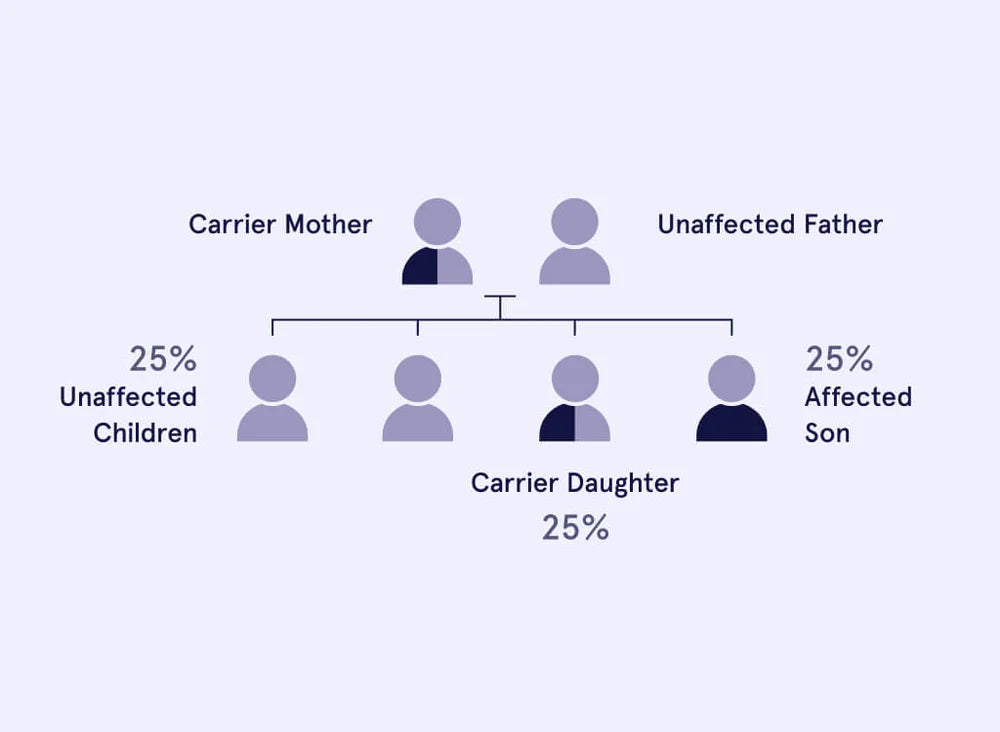
Finding out that you are a high-risk carrier for a genetic condition can raise mixed emotions and important questions about your family planning journey. This article explores the steps to take after completing a genetic test and learning about your high-risk carrier status. Understanding your options and seeking appropriate support is crucial for making informed decisions that prioritise your future and your family's health. Understanding High-Risk Carrier Results Being a high-risk carrier means that you possess gene variants associated with an increased likelihood of passing on a specific genetic condition to your future children. It is important to understand the implications of your carrier status and learn more about the condition itself, including how its inherited and potential health outcomes for your kids and future generations. Differentiating X-Linked Conditions from Recessive Genes in Family Planning It is important to understand the difference between being a carrier of an X-linked condition and being a carrier of a recessive gene. If you are assigned female at birth, being a carrier of an X-linked condition means you have a gene variant on one of your X chromosomes. This means that if you have a son, he has an increased likelihood of developing the condition. Females are usually not affected as they have two X chromosomes. On the other hand, carrying a recessive gene means that you have one copy of a gene variant that may cause a genetic condition, but you are typically unaffected by the condition yourself. If both you and your reproductive partner are carriers of a recessive gene, the risk of passing on the condition to your children is higher. Seeking genetic counselling can provide you with personalised guidance and help you understand the specific risks associated with your carrier status, allowing you to make informed decisions about your family planning journey. Genetic Counselling Support Genetic counselling serves as a vital resource for individuals receiving high-risk carrier results from genetic testing. A genetic counsellor can provide detailed explanations about the genetic condition, its mode of inheritance, and the likelihood of passing it on to your children. They will guide you through the available reproductive options and help you make informed decisions based on your unique circumstances. What can I do with my results if I am high risk Preimplantation Genetic Diagnosis (PGD): PGD involves testing embryos created through in vitro fertilisation (IVF) for the specific genetic condition you carry. This process allows for the selection of unaffected embryos before implantation, thereby reducing the risk of passing on the condition to your children. Testing in pregnancy: You can get pregnant naturally and test the pregnancy using NIPT and/or CVS to confirm if the pregnancy is affected. Egg or Sperm Donation: Utilising donated eggs or sperm from individuals who do not carry the high-risk gene variant can be an option to mitigate the risk of passing on the condition. This path enables you to build a family while minimising the chances of inheriting the genetic condition. Adoption or Surrogacy: Adoption and surrogacy provide alternative paths to parenthood, offering the opportunity to nurture and raise a child without the genetic risk associated with being a high-risk carrier. Emotional Support and Community Receiving high-risk carrier results can be overwhelming. It is crucial to seek emotional support from loved ones, support groups, or counselling services specialising in genetic conditions. Connecting with others who have gone through similar situations can provide comfort, understanding, and valuable insights throughout your journey. Advocacy and Awareness Learning of a high-risk carrier status can deepen your understanding of genetic conditions and their impact on families. You have the choice to become an advocate for genetic testing and raise awareness within your community. Sharing your experiences and knowledge can help others make informed decisions about their own reproductive health and family planning. Continuing Care and Future Planning Regularly monitoring advancements in medical research and technology related to genetic conditions is essential. Stay informed about emerging treatments, clinical trials, or new reproductive options that may become available. Consult with your healthcare provider and genetic counsellor to ensure that you are taking appropriate steps to prioritise your health and the health of your future children.

Understanding Smith-Lemli-Opitz Syndrome: The Importance of Genetic Carrier Screening
Have you ever wondered why some genetic conditions appear seemingly out of nowhere within a family? Smith-Lemli-Opitz Syndrome (SLOS) is a rare genetic disorder that often catches families off guard. But fret not; advancements in medical science, particularly in genetic carrier screening, can help identify at-risk couples even without a family history. This blog post will explore SLOS, its impact on individuals and families, and how genetic carrier screening can make a significant difference. What is Smith-Lemli-Opitz Syndrome? Smith-Lemli-Opitz Syndrome is a rare genetic disorder that affects the body's ability to produce cholesterol. Cholesterol plays a crucial role in the development and function of various organs and systems, including the brain. Individuals with SLOS have deleterious variations in the DHCR7 gene, which is responsible for producing an enzyme involved in cholesterol synthesis. As a result, cholesterol levels in the body are significantly reduced, leading to a wide range of physical, developmental, and cognitive challenges. How common is SLOS? Smith-Lemli-Opitz Syndrome (SLOS) is a rare genetic disorder, and its exact prevalence is estimated to be around 1 in 20,000 to 60,000 live births. It is an autosomal recessive condition, which occurs when an individual inherits two copies of the mutated gene, one from each parent. To inherit SLOS, both parents must be carriers of the gene mutation without displaying symptoms. Carriers have only one copy of the mutated gene and typically do not experience any health issues related to the condition. Approximately 1 in 70 people are carriers of SLOS. When both reproductive partners are carriers, there is a 25% chance with each pregnancy that the child will inherit two copies of the mutated gene, leading to the development of SLOS. It is important to note that SLOS can occur in any ethnic or racial group, and the risk of having a child with SLOS is the same for both genders. Genetic carrier screening can be valuable in identifying individuals who carry the gene mutation, even if they do not have a family history of the disorder, allowing for informed family planning decisions and appropriate medical support. Symptoms and Impact The symptoms and severity of SLOS can vary from person to person, but some common characteristics include: Facial and physical abnormalities: Individuals with SLOS may have distinctive facial features, such as a small head, low-set ears, a cleft palate, and widely spaced eyes. They may also experience growth delays, weak muscle tone, and malformations of the hands, feet, and internal organs. Developmental delays: Children with SLOS often experience delays in reaching developmental milestones, such as sitting, crawling, and walking. They may have intellectual disabilities and struggle with learning, speech, and communication skills. Behavioural and emotional challenges: Individuals with SLOS may exhibit autistic-like behaviours, such as repetitive movements, difficulty with social interactions, and heightened sensory sensitivities. They may also have behavioural issues, including aggression and self-injurious behaviours. Genetic Carrier Screening: The Importance of Identifying At-Risk Couples Genetic carrier screening is a powerful tool that can help identify individuals who carry gene mutations for specific genetic conditions, such as SLOS, even if they do not show any signs or symptoms themselves. It involves testing for specific genetic variations that can be passed on to children. By screening potential parents before conception, healthcare professionals can provide crucial information and support to couples who may be at risk of having a child with a genetic disorder. The Absence of Family History Genetic conditions like SLOS may appear unexpectedly in a family with no prior history of the disorder. This can happen when both parents are carriers of the same gene mutation but are unaware of it. Carrier screening becomes especially important in these situations, as it helps identify at-risk couples before they conceive a child, enabling them to make informed decisions about family planning. Preconception carrier screening can be done through a simple saliva sample. It examines the DNA of both partners to determine if they carry any gene mutations associated with genetic disorders. Suppose both parents are found to be carriers of the same mutation. In that case, they can explore various options with healthcare professionals, such as preimplantation genetic diagnosis (PGT-M), adoption, or other family planning methods. Smith-Lemli-Opitz Syndrome is a rare genetic disorder that can profoundly impact individuals and families. However, with advancements in genetic carrier screening, we have the power to identify at-risk couples even in the absence of family history. By understanding the underlying genetic risks and making informed decisions, couples can take steps to ensure the health and well-being of their future children. Genetic carrier screening empowers individuals to make choices that can positively impact you can get started here.

The science and technology behind genetic testing and its role in modern pregnancy planning
Parenthood brings a whole new set of questions and challenges — from the type of food you feed your kid to which pram to get. One important question is: Should I get tested for genetic variations that could indicate potential health risks in my little one? Before deciding, it’s helpful to understand both the science and technology behind these tests. This blog post examines how next-generation sequencing (NGS) has enabled researchers to identify genetic variations linked to disease but also addresses some ethical considerations around this topic so that any decision you make can be an educated one. The History of Genetic Testing Genetic testing has come a long way since the launch of the Human Genome Project back in 1990. This project aimed to sequence the entire human genome and succeeded in doing so by 2003. Thanks to this milestone achievement, scientists could identify genes linked to certain diseases and conditions. From there, genetic testing became more prevalent and sophisticated, allowing people to understand their risk factors and take preventative measures. However, as with any new technology, genetic testing has ethical concerns. It's important for us to use this powerful tool responsibly and empathetically, considering the potential consequences of discovering potentially life-altering information. What is Next-Generation Sequencing (NGS)? Next-Generation Sequencing (NGS) is a revolutionary technology that has transformed how we study genetics. By using NGS, scientists can analyse the DNA sequence of an organism in much greater detail and at a faster rate than ever before. This has opened up new avenues for research, enabling us to explore previously inaccessible areas of genomics. With its incredible power to produce vast amounts of data, NGS has become an indispensable tool for geneticists, biologists, and medical researchers seeking to better understand the intricate workings of life. This technological innovation has given us the power to unlock vital information about the genetic basis of disease, investigate the evolution of species, and examine the complexities of human diversity. NGS is a true game-changer in the field of genetics, and its impact will be felt for many years to come. How is Genetic Testing Used Today? With technological advancements, genetic testing has become increasingly accessible and affordable for individuals interested in learning more about their health. By analysing a person's DNA, genetic testing can identify genetic variants associated with various diseases or specific traits. This information can be used to diagnose a condition, guide treatment decisions, and even prevent the transmission of inherited diseases to future generations. Additionally, genetic testing can provide a sense of empowerment by equipping individuals with knowledge about their own health that they may not have had access to otherwise. While there are still limitations to genetic testing, such as the potential for false positives/negatives and the accuracy of interpreting results, it remains a powerful tool in modern healthcare. What are the Benefits and Risks of Genetic Testing? Genetic testing is a powerful tool that can offer many benefits. With personalised treatment plans tailored to your individual genetic makeup, you may be able to receive more effective treatments for certain conditions. However, it is important to consider the potential ethical considerations involved in deciding whether or not to undergo genetic testing. On the one hand, genetic testing can offer valuable insights into your health risks, allowing you to take preventative measures. On the other hand, some individuals may struggle with the emotional burden of knowing their genetic predispositions. Ultimately, the decision to undergo genetic testing is personal and should be carefully weighed with the help of a genetic counsellor. What’s Next in Genetic Testing? Genetic testing has come a long way in recent years, but the potential for further research is immense. As we delve deeper into the complex world of human genetics and gain a deeper understanding of how our bodies work, we can unlock new prevention methods and lifesaving treatments. The possibilities are endless, from identifying genetic markers for diseases before they even develop to tailoring medications to an individual’s unique genetic makeup. Investing in this field ensures that this technology reaches its full potential, changing the face of medicine and improving people's health worldwide. It’s an exciting time for genetic testing, and the future looks bright for those willing to explore its vast potential. As we've seen, genetic testing can be a highly valuable tool in diagnosing certain chronic illnesses and inherited diseases. Not only does this help individuals plan for their healthcare needs with more security, but it can also give families greater peace of mind when it comes to understanding their own risks. With next-generation sequencing (NGS) technology, researchers have unlocked many secrets about genes and how they interact with our environment to cause complex conditions such as diabetes or cancer. However, it's important to consider all of the potential benefits and risks associated with genetic testing before making any decisions. We must also remember that there is still so much left to learn from this relatively new field of research. In the end, understanding the implications of genetic testing on a personal and societal level should factor into your decision-making process before making any commitments.